The Importance of Play-Based Learning in the Preschool Classroom
The Importance of Play-Based Learning in the Preschool Classroom
The Importance of Play-Based Learning in the Preschool Classroom

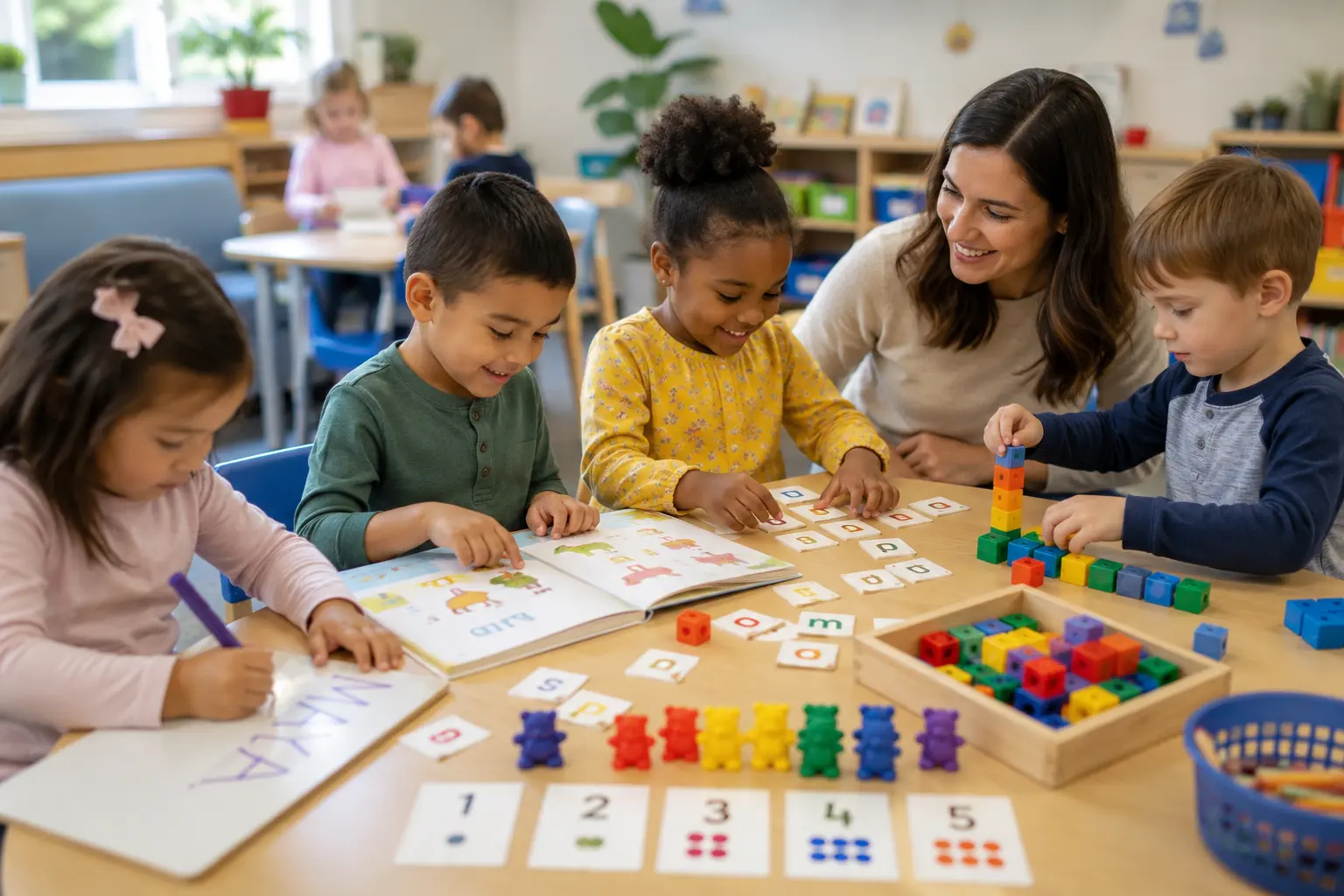
Play-based learning is an approach to education that focuses on allowing children to learn through play and exploration.
This approach is particularly important in the preschool classroom, as it provides young children with the opportunity to develop important skills and build a strong foundation for future learning.
There are many benefits to using play-based learning in the preschool classroom. First and foremost, it allows children to learn in a way that is natural and enjoyable for them.
When children are engaged in play, they are more likely to be motivated and interested in what they are doing, which can lead to better learning outcomes.

Play-based learning also provides children with the opportunity to learn important skills that are necessary for success in school and in life.
For example, through play, children can develop their social skills by learning how to work with others, communicate effectively, and resolve conflicts.
They can also develop their fine and gross motor skills, as well as their cognitive and problem-solving abilities.
In addition to these skills, play-based learning also allows children to develop their creativity and imagination.
When given the freedom to play and explore, children can come up with their own ideas and solutions to problems, which can help them to think outside of the box and be more innovative.

Another benefit of play-based learning is that it allows children to learn at their own pace.
In a traditional classroom setting, children may feel pressured to keep up with their peers, which can lead to stress and frustration.
In a play-based classroom, however, children are free to move at their own pace and learn in a way that is best suited to their individual needs and abilities.
Overall, play-based learning is an important approach to education in the preschool classroom.
It allows children to learn in a way that is natural and enjoyable for them, and helps them to develop important skills that are necessary for success in school and in life.
By incorporating play-based learning into the preschool curriculum, educators can provide children with a strong foundation for future learning and help them to become well-rounded, confident individuals.
Play-based learning is an approach to education that focuses on allowing children to learn through play and exploration.
This approach is particularly important in the preschool classroom, as it provides young children with the opportunity to develop important skills and build a strong foundation for future learning.
There are many benefits to using play-based learning in the preschool classroom. First and foremost, it allows children to learn in a way that is natural and enjoyable for them.
When children are engaged in play, they are more likely to be motivated and interested in what they are doing, which can lead to better learning outcomes.
Play-based learning also provides children with the opportunity to learn important skills that are necessary for success in school and in life.
For example, through play, children can develop their social skills by learning how to work with others, communicate effectively, and resolve conflicts.
They can also develop their fine and gross motor skills, as well as their cognitive and problem-solving abilities.
In addition to these skills, play-based learning also allows children to develop their creativity and imagination.
When given the freedom to play and explore, children can come up with their own ideas and solutions to problems, which can help them to think outside of the box and be more innovative.
Another benefit of play-based learning is that it allows children to learn at their own pace.
In a traditional classroom setting, children may feel pressured to keep up with their peers, which can lead to stress and frustration.
In a play-based classroom, however, children are free to move at their own pace and learn in a way that is best suited to their individual needs and abilities.
Overall, play-based learning is an important approach to education in the preschool classroom.
It allows children to learn in a way that is natural and enjoyable for them, and helps them to develop important skills that are necessary for success in school and in life.
By incorporating play-based learning into the preschool curriculum, educators can provide children with a strong foundation for future learning and help them to become well-rounded, confident individuals.
Tamar Andrews, EdD, is an Associate Professor at UCLA's Graduate School of Education and Information Studies and Director of the Early Childhood Education Department at American Jewish University. With 30+ years in early childhood as a teacher and director, she led Temple Isaiah Preschool from 2003 to 2023, where she earned NAEYC accreditation and built an award-winning STEM program. Her work inspired her son Daniel to build Playground. She also teaches at UCLA Extension and Santa Monica College and speaks internationally on early childhood education.
Share this article
The highest rated child care software
Ratings and review counts from public app store listings, May 2026.

Book a demo and simplify every corner of your business.




Book a demo and simplify every corner of your business.